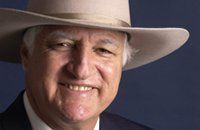
Katter says "Thank you" to the fighters
May 5, 2025
Elections aren't won by blokes in suits. They're won on the backs of the people who stand out in the sun and the rain, handing out how-to-vote cards for days on end. So, this victory belongs to them. God bless every one of you. I can't thank you enough.
The same goes for my wife Susie, my five children, and even my grandchildren, who have worked tirelessly throughout this campaign to make so much of it happen. I certainly couldn't have done this without them. To my staff, who give their all (and then some) daily for the people of Kennedy... Thank you.
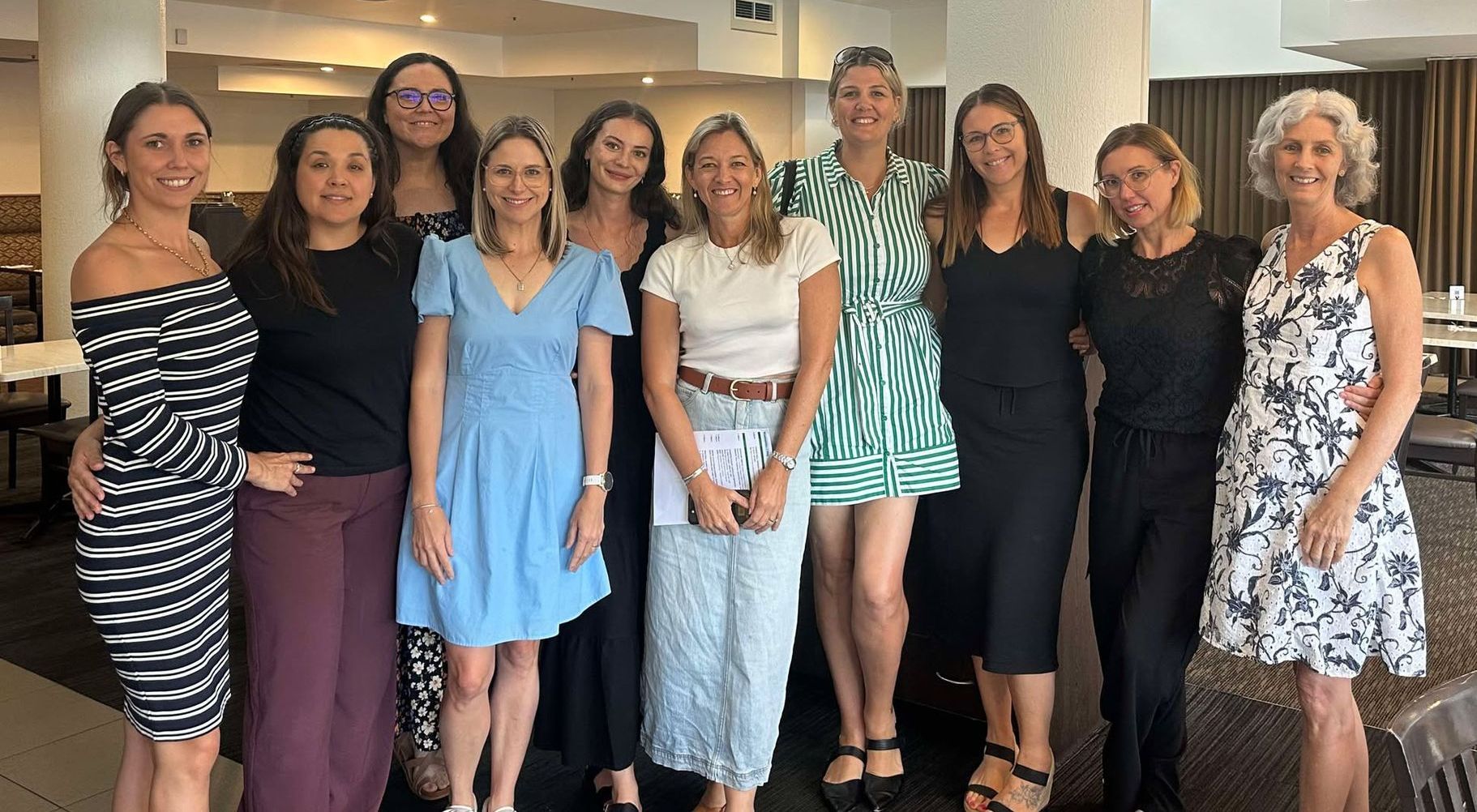
Thank you to my staff Alice, Carly, Dom, Rachelle, Kahla, Ella, Elise, Alana, Kylie, Emma and Sarah.
I didn't get re-elected because I'm some sort of outstanding character. I'm just a boy from Cloncurry. More members of parliament might get similar results if they actually served their electorates and listened to the people every once in a while, and not some party room in Brisbane or Canberra.
You just do the job, and the cards fall where they might. I've had to make decisions that would be politically costly for me. Julia Gillard closed the cattle market into Indonesia, and I knew unless she was removed, that market would stay closed. Those people were my friends; that was my industry. Yes, I'm a mining man, but I've always had cattle. And I represent maybe the largest cattle electorate in Australia, so I couldn't just sit around and do nothing about it. I made an unpopular but necessary call, and by 10.30pm that same day, Rudd was prime minister. Within two weeks, the market was reopened, and within two months, the price of cattle doubled.
I now sit in my living room looking up at a picture of Edward "Red Ted" Theodore, a man who believed that saving our country from the Great Depression was more important than his political career and did what he believed to be the right thing, despite the enormous personal cost. To me, that is the only way to approach being a member of parliament.
Now, the Bridle Track Tunnel must be built. In February, we had 400,000 North Queenslanders trapped by flooding in the south and the west. If that rain depression had continued, there would have been 100 lives lost instead of only six. When we get that tunnel, it removes that danger immediately and forever. And it's only a tiny one kilometre of tunnel. Beyond its use as an escape from floods, it will open up the most diverse mineral province on earth. We can't get the ore out now because there's no port nearby. The finalisation of that road and tunnel opens up a wealth of opportunities for the Far North and North-West.
As an Australian, I have to live with the shame of how we have treated the First Australians of this country. I lie in bed at night knowing the ALP removed the market gardens and the right of First Australians to own land in their homelands. Jason Ned, who mustered more cattle than probably anyone in human history, up until the day he passed away, could not get a pastoral lease. Well, why won't you let them have pastoral leases and freehold titles? The original inhabitants of this country and they're not allowed to own a block of land, and they continue to die much younger than they should, from diabetes and related diseases because they can't own land to grow their own food! If it was a proper and fair world, Jason Ned would have died with a pastoral lease, the same as every other cattleman in Australia.
I think Queenslanders, and especially the young people, are finally realising they are living in the most restrictive society on earth. You can't even boil a billy on your own property without applying for a fire permit, which takes two months to get approved! You can't even protect yourself in your own home, even with your fists; they'll prosecute you instead of the one who came into your home and deserves to have his backside kicked from here to the Northern Territory. And that's what we (the KAP) plan to do with them. Free country? You live in the most unfree country on earth.
Well, the people of Kennedy know the major parties aren't fighting for them. If you ignore the North, if you ignore the bush, you do it at your own peril. The people are rising up in righteous anger, and I don't blame them one bit.
AUSTRALIA NEEDS TO BETTER USE OUR GREAT MINERAL, AGRICULTURAL AND LAND WEALTH Australia is one of the wealthiest countries in the world. Our mineral resources are vast. Our agricultural potential is huge. We have millions of hectares of land unutilised or under-utilised. Australians should be swimming in wealth …. NOT drowning in debt. Successive governments have slowed our economy to a grinding halt in a ruthless pursuit of a WOKE agenda. A REVOLUTION is coming… Australians are starting to fight back against the corporate and political elite that have sold and squandered our great Nation. It’s about time that government starts governing for the betterment of Australians or GET OUT and let the independent fighters that TRUELY represent their electorates and Australia have a go!!!!
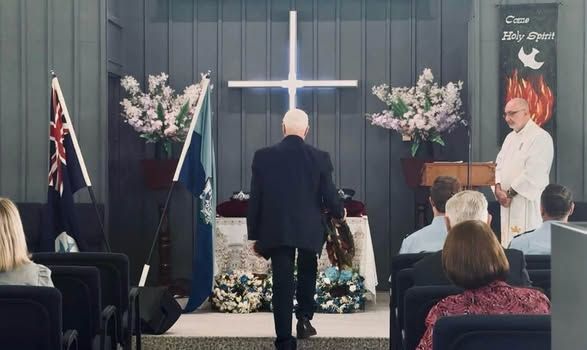
Everyday, wonderful and courageous men and women of our police forces put their personal safety to the side to protect Australians. Most make it home… some, tragically, do not. Today we remember and pay tribute to those who have made the ultimate sacrifice.
In Mount Isa the answer is the same as Brisbane…. When Bob asks people “What would you do if you were the PM of Australia?” Overwhelmingly the answer is reduce migration levels. When the media runs stories of ISIS brides returning, mass murder at Bondi, machete crime in Melbourne… Australians are concerned…. Our cities are being stuffed with people who have no intention to contribute to our society... no want to integrate... they reside in large ethnic enclaves.. some migrate through lawful channels, many abuse the student and family dependent visa systems. Every year about 1 million more people come into Australia than leave… we are swamped. We want our country back.
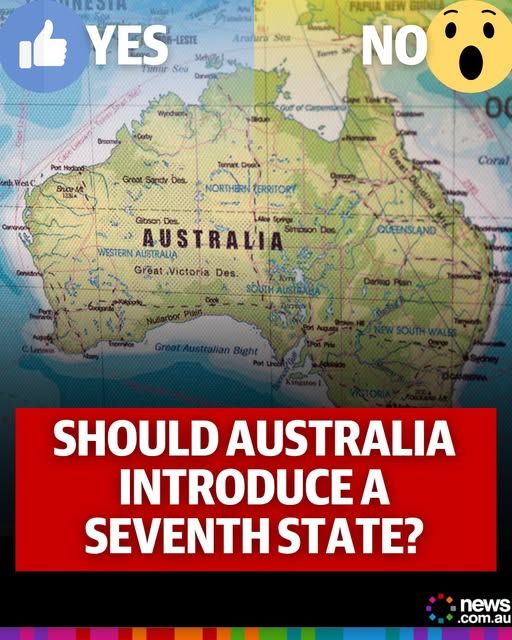
Absolutely.. in the north we are controlled by a government based in the south east corner that is closer to Sydney. In the last 6 months we have lost yet another seat in Parliament to Brisbane... the Olympic Games extravaganza is costing more than the entire annual State budget... they have all the infrastructure, services and resources... we have potholes, patchwork road works, overstretched hospitals and police. For the North to be the powerhouse of this nation’s economy we need some autonomy so we can start the projects, build the infrastructure and create the wealth.
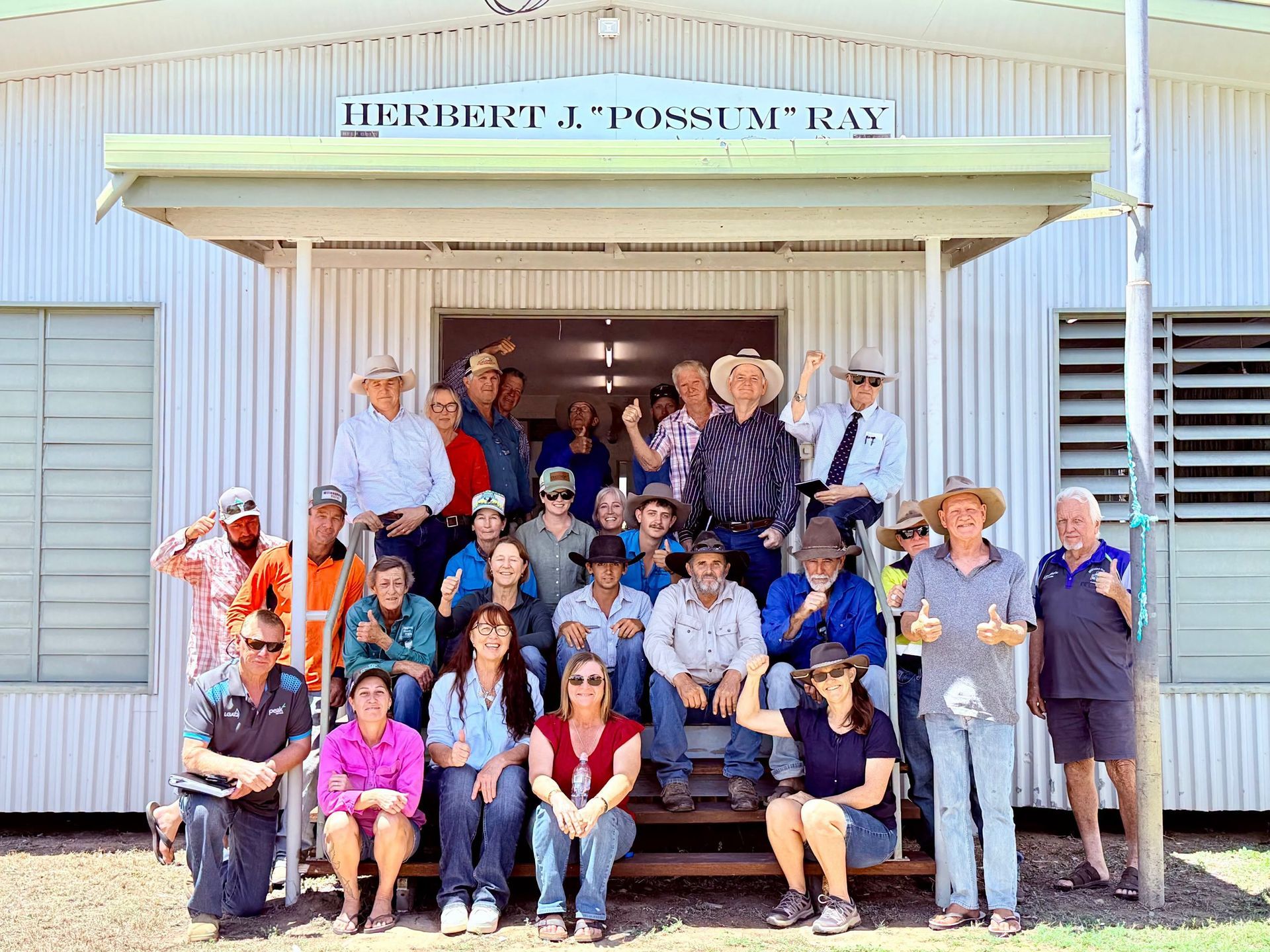
Thanks to the folks in Einasleigh, and Mayor Barry Hughes for having me yesterday in town and giving me my riding instructions! It wasn’t that long ago that most of the area was underwater. If ever there were an argument for a separate state— this is it. I don’t know of a million people anywhere in the world that are ruled by a government over 1,000 kilometres away or 2,000 kilometres away. Nowhere in the world does that exist. But when you are a small, isolated rural community, you are forgotten. The bridges are too low and they go under water all the time, the roads are too low and they go under water all the time, so there’s little replenishment of supplies. So there is work to be done. Thanks to publican Tayla for the chips and gravy, holding down the fort, taking care of the kitchen, bar and kids while her husband Braydon is away (winning most of the titles in NQ rodeo/campdraft/regional grand finals in Townsville!).
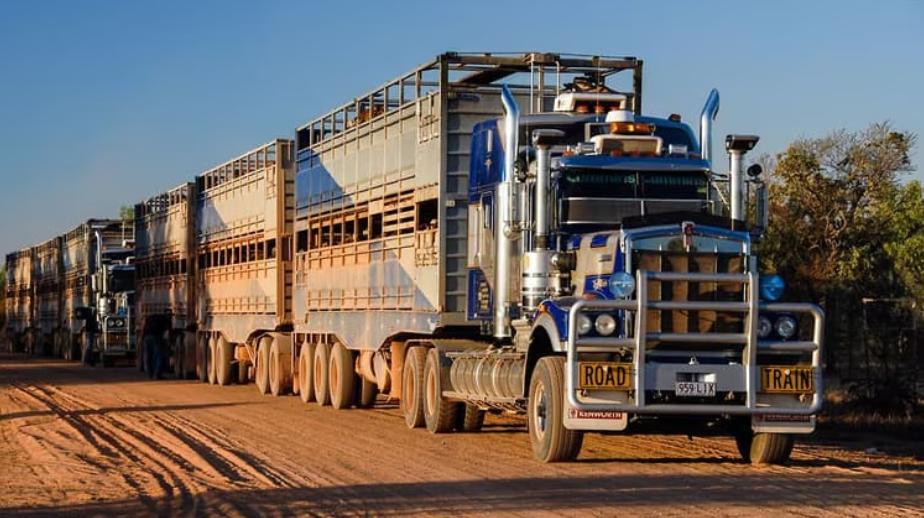
Finally commonsense has prevailed and the trucks are back on the road delivering essential supplies to some of Australia’s most remote and vulnerable communities. Massive thank you to Hawkins Transport for providing this essential service for so many years and tenaciously fighting to ensure its’ continuation. Fellas, I take my hat off to you. Great job

The Albanese government’s attack on backpackers is illogical at best and, at worst, just down right stupid. Overwhelmingly the pathway to permanent migration is through the student visa scheme and not backpackers. In our regions backpackers pick our fruit, pour our beers, clean our hotel rooms and make our coffees… they spend monies earnt exploring our wonderful country. Very few stay and those that do integrate into our communities. Backpackers must be encouraged and welcomed into Australia … they are NOT and should never be considered to be part of the backdoor migration cohort. They’re just here for a good time… not a long time. And for that I thank them for coming here, doing the work, spending the money and having the adventure.
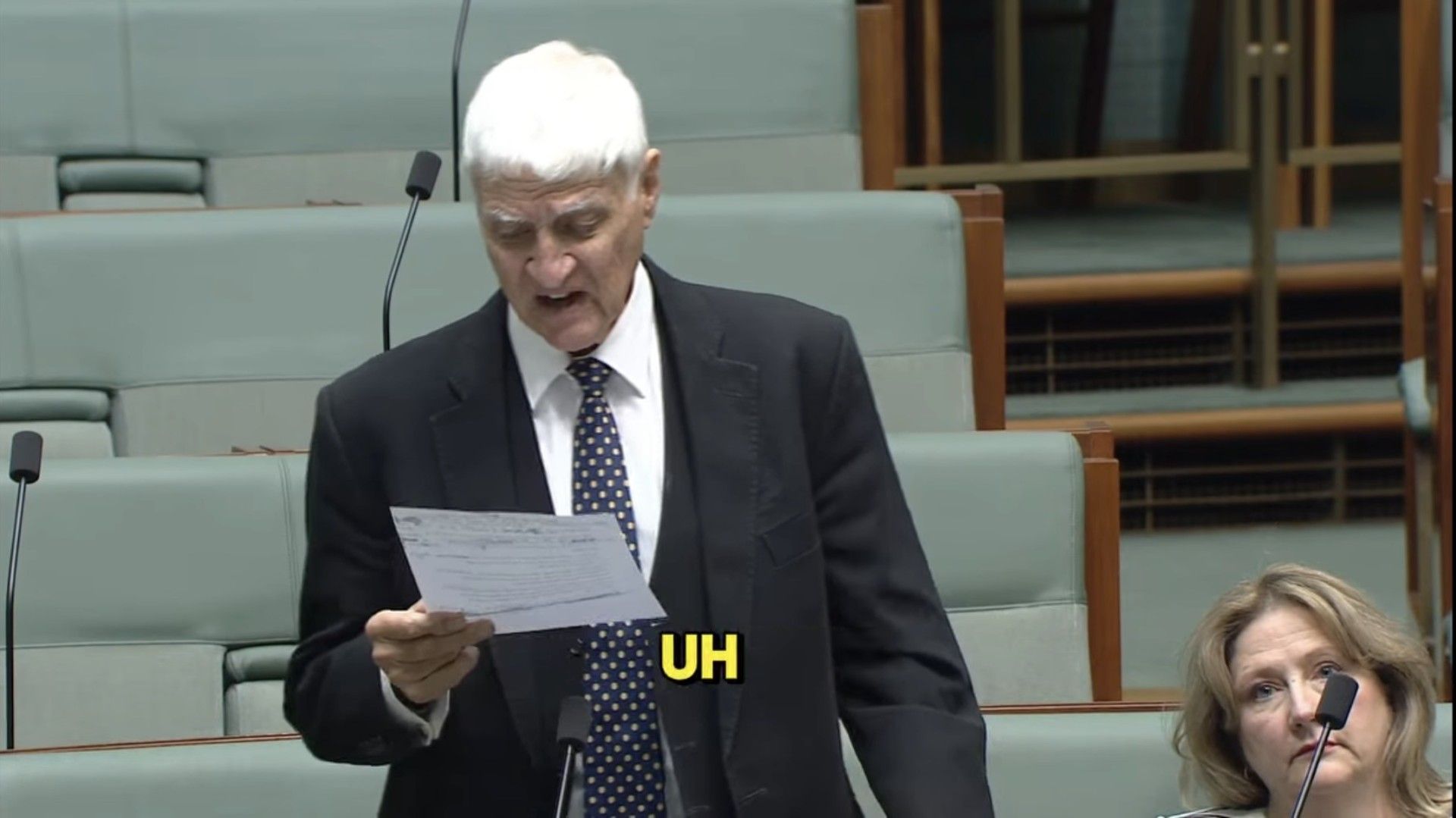
In the north we can pay up to 4 times the cost for insurance as is paid in the rest of Australia. 20% northern homes are uninsured (more than double Australia’s average). Of the homes that are insured 83% are under insured - meaning that insurance won’t cover rebuilding costs. THIS IS NOT JUST CONCERNING… THIS IS A NATIONAL EMERGENCY. Further exacerbated by the Federal government tightening the purse strings on much needed disaster funds. We need legislation change to get more insurers offering affordable insurance in the north. That is why the cyclone reinsurance pool was introduced... That is what government should be doing.
For eight years, the KAP has pushed relocation sentencing for serious repeat youth offenders. We were told no. We were asked why we kept talking about it. Well, this is why.... The LNP Government has now adopted our policy and passed it into law and credit where it’s due, they’ve followed through. It won’t solve youth crime on its own, but getting serious repeat offenders out of the environments driving their offending and into structured programs is an important part of the solution. It also puts to bed the claim that the KAP can’t achieve anything outside of government. Next up Castle Law!
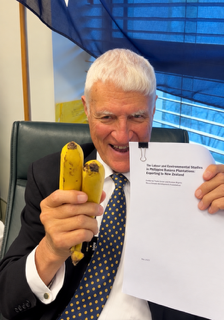
Today Bob called on government to ban the importation of goods produced under slave labour wages or child labour. This could be a game changer for Australia’s manufacturing and agricultural sectors, and stopping the importation on goods, like bananas, we don’t want or need. Government agreed… Now we MUST ensure their actions meet their words.
