Keep cash alive rally instils ‘confidence’ in 3000 petitioners

August 14, 2023

CASSOWARY Coast residents fighting to keep cash alive are quietly confident their local government will reverse a decision to go cashless following a rally on Sunday, June 25 at Innisfail’s ANZAC Park. 
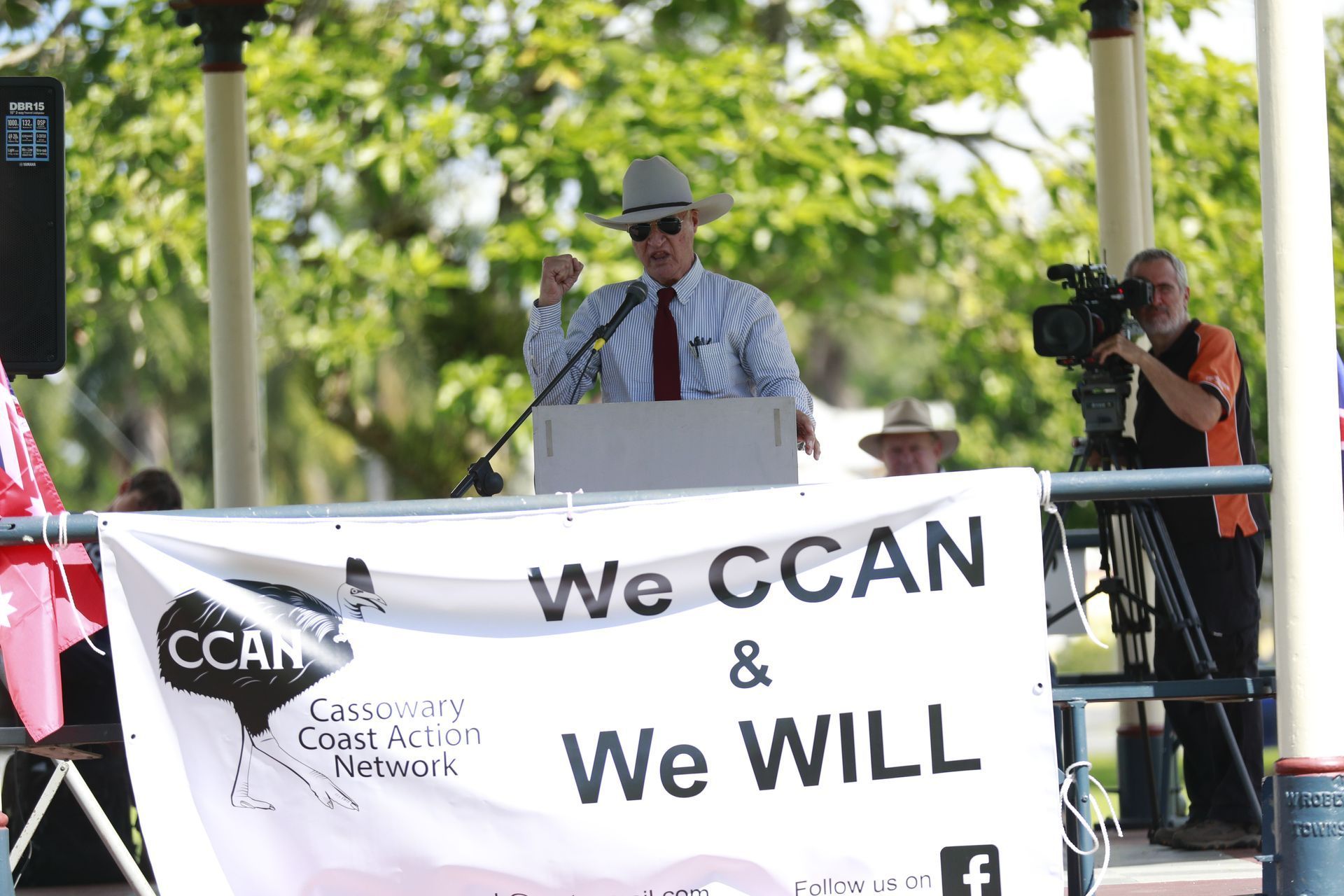
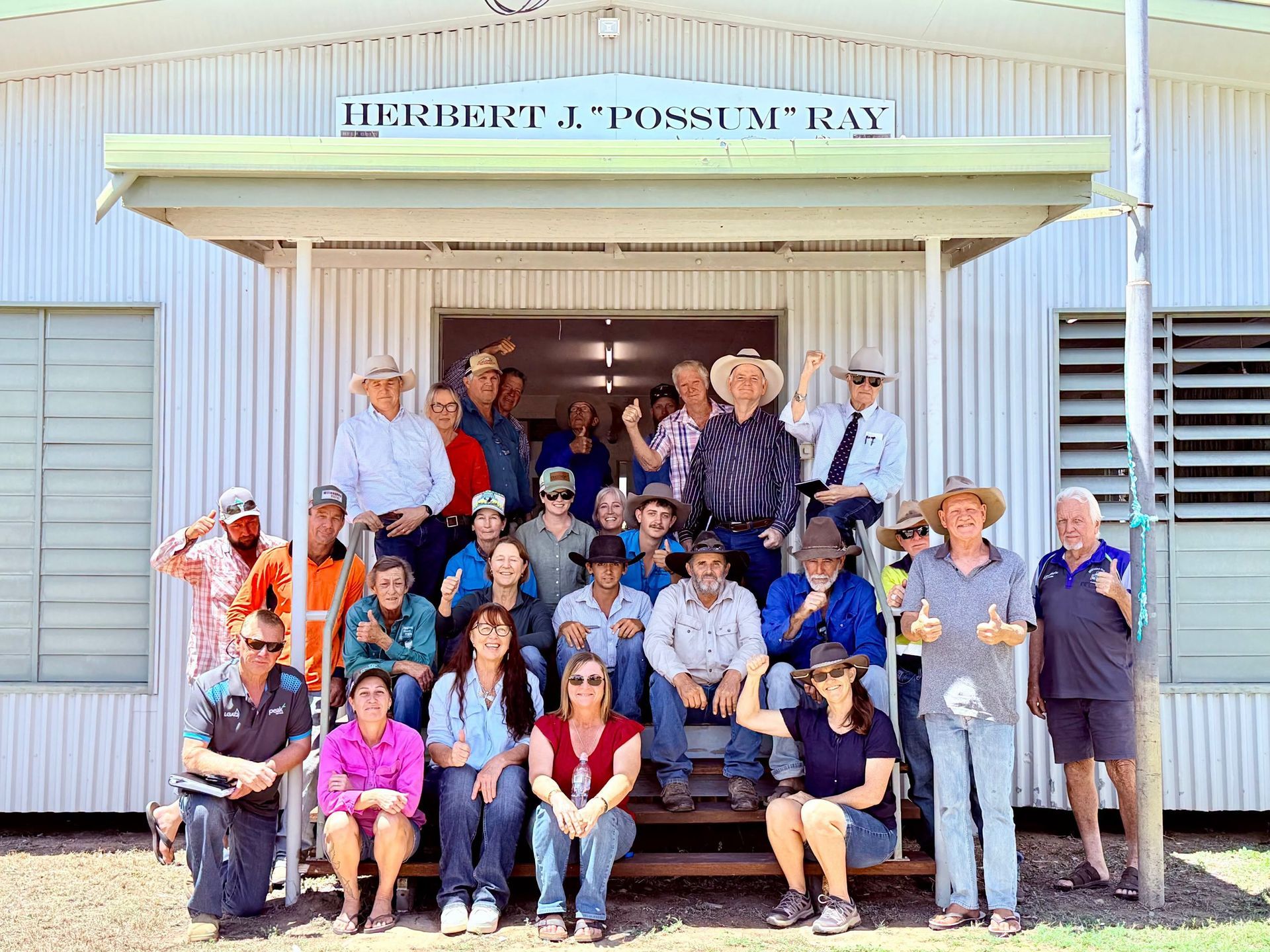
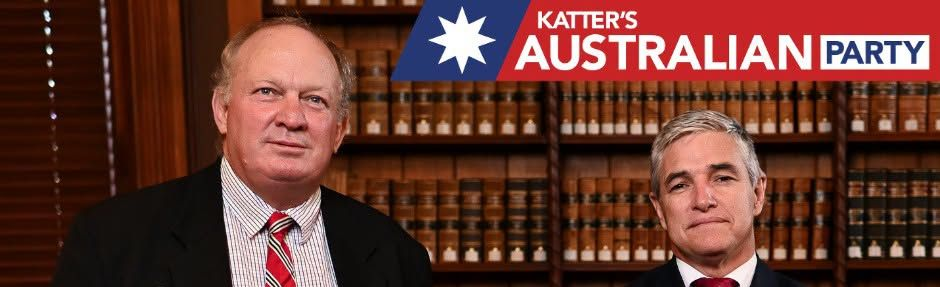
Katter’s Australian Party MPs for Kennedy and Hill, Bob Katter and Shane Knuth, joined over 150 Far North residents, some of which had travelled from the Tablelands and Cairns, to protest against a 2022 Cassowary Coast Regional Council decision banning cash from its facilities and venues. 


Among the speakers was Cairns Regional Division 9 councillor Brett Olds, who after recently assisting his own constituents overturn a cashless decision, provided some advice to the frustrated Cassowary Coast residents. 


His “words of wisdom” were to remind residents that Cairns councillors unanimously voted to return cash after “listening to its people.”


“I came down with words of encouragement and to let people know that if you're angry, don't be angry and silent, let people know, tell your councillors how you feel,” Cr Olds said.


“The advice was peacefully go do it, don't attack people, let your voices be heard. They've got to make some phone calls, send some emails and say 'I think you've made the wrong decision here and my voice through you hasn't been heard'.


“With 3000 people signing that petition, that’s a great percentage, I’m confident for them the right decision will be made here.” 


Rally coordinator Tara Garozzo, of the newly-formed Cassowary Coast Action Network said she hoped to lodge the petition by August and put the decision in the hands of the councillors. 


“We found out our councillors never got a choice to vote on this, even though a few of them openly disagreed, so we launched a petition and held this rally,” Ms Garozzo said. 


“We're just wanting the decision to go back to councillors and for them to decide if cash can be reinstated.”


Mr Katter said it was unfair to take away cash, and thereby, take away the “choices and freedoms” of a government’s people. 


“With cash, we control it, we control how we spend it and save it,” Mr Katter said. 


“If we go cashless, we’re giving all our power over to CEOs on millions of dollars who run the banks and make a decision about your money with the click of a button.


“And in an area where we have so many cyclones and power goes out all the time, I mean what are you going to do when your ‘plastic magic’ doesn’t work?”

Mr Knuth said ratepayers deserved to have a say on such significant issues. 


“Councillors will vote on fixing a gutter, but when it came to a region going cashless, they had no say, we want them to have a say,” Mr Knuth said. 


“They'll say this might only affect 10 per cent of the population, well that's still 10 per cent and most of that is the elderly - they're the people who don't have access to that digital payment system, they rely on cash.


“We've seen bank closures all throughout rural and regional Queensland and the impacts that has and we believe if we don't start now, we'll see a domino effect take over every council.”
By Kahla Kruger May 25, 2026
Australia was once a country where an ordinary Australian could buy a home, raise a family and have the mortgage knocked over by 30. Today, young Australians are being sold a very different dream, a lifetime on the hamster wheel, saddled with million-dollar mortgages they may never escape.
By Kahla Kruger May 13, 2026
In this episode of Wisdom Mongrel Patriot, Bob Katter and Elise deliver a blunt dissection of the 2026 Federal Budget - and ask the question many in the bush are already asking: where exactly does Regional Australia fit into the nation’s future? Where does self-sufficiency fit? Where does the Australia we used to know and love fit?
By Kahla Kruger May 7, 2026
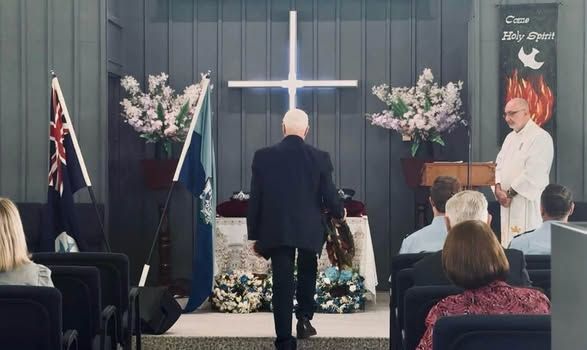
Bob Katter, KENNEDY MP, has attended commemorations for the Battle of the Coral Sea in Cardwell over the weekend, joining veterans, families, community members and local organisations in paying tribute to those who served during one of the most significant naval battles of World War II.P The Battle of the Coral Sea, fought in May 1942, marked a major turning point in the Pacific War and is widely recognised as the battle that helped halt the Japanese advance towards Australia. Mr Katter said commemorative events like the Cardwell service were critically important in ensuring Australians never forgot the sacrifices made by servicemen and women who defended the nation. “These men and women stood up when their country needed them most. Many never came home, and many others carried the scars of war for the rest of their lives,” Mr Katter said. “Events like this are about paying our respects and making sure younger generations understand the price that was paid for the freedoms we enjoy today. “Regional communities have always carried a very strong tradition of service. You see it right across North Queensland and I have spent untold hours in pubs talking to families who have served generation after generation in defence of this country.” Mr Katter also thanked organisers, veterans and volunteers involved in the commemorations for ensuring the legacy of Australia’s servicemen and women continues to be honoured. “As Australians, we have a duty to remember them. Ceremonies like the Battle of the Coral Sea commemorations keep that spirit of remembrance alive.” ENDS
By Kahla Kruger May 7, 2026
What started as a small idea tossed over a meat pie in a bakery in 1977, has has turned into one of the biggest drawcard events for North Queensland.
By Kahla Kruger May 5, 2026
6 May 2026: After spending half his 50-year political life fighting to secure a home-grown supply of cleaner and greener biofuels, Federal MP Bob Katter has backed in an historic alliance of agricultural heavyweights united behind a national ethanol mandate – to protect our health and enable our iconic feedstock industries to deliver greater fuel self-sufficiency – at the highest levels of government.  Following direct discussions with Canberra in the wake of yesterday’s joint plea by Australia’s peak grain and sugarcane representatives for sustainably produced ethanol-blended petrol to be mandated nationwide, the North Queensland MP called on the Federal Government to “provide reassurances that the long-overdue implementation of an enforced ethanol mandate is being considered at the highest levels of government” ahead of next week’s Budget, amid the world’s worst energy shock strangling global supply chains and crippling domestic industries. “Ethanol and biodiesel production can be immediately scaled up within a year to extend our existing fuel stockpiles – instead of being shipped off to safeguard other countries’ fuel security because demand from the foreign oil giants for Australian-owned biofuels is still not growing even in the case of domestic supply disruptions and soaring prices,” said Mr Katter. “However, in just 10 years, sustainably Australian-grown and manufactured renewable ethanol could be supplying 10 per cent of Australia’s total domestic petrol requirements, alongside local biodiesel for another five per cent self-sufficiency if there was a biofuels mandate.” The alliance of the National Farmers Federation, GrainGrowers, Australian Sugar Manufacturers and CaneGrowers behind a domestic biofuels mandate follows two decades of both the major and green parties’ rejection of seven of Mr Katter’s private members bills* since 2002 for sovereign biofuels security – with 200 (or one-fifth of all) speeches to Parliament referencing ethanol and biofuels about 1000 times since his 1993 election to the seat of Kennedy; and state laws for ethanol mandates moved by KAP MPs along with dozens more ethanol representations to the Queensland Parliament by Traeger MP Robbie Katter since 2012. “Our laws have been laughed out of Parliament by every government this century,” said Mr Katter after repeated warnings of an inevitable fuel supply crisis facing an island nation left to become dependent on imports without future-proofing our critical fuel and food industries – including the Sovereign Fuel Security Bill 2022 drafted with crossbenchers in the pandemic-era Liberal-National government, for the new Labor Government to secure 80 per cent fuel sufficiency (by banning oil exports for local refining with biofuels) and reliable power and fertiliser inputs for vulnerable industrial and regional communities. “Whilst two of the world’s ‘big-four’ export industries in Australian grain and sugar join everyday Australians screaming for greater fuel self-sufficiency – with no end in sight to the Middle East war shock on global supply chains – governments must act immediately to secure our biofuels future with primary producers and local manufacturers in the national interest, and expand domestic refining to include our own indigenous oil reserves sold offshore for a fraction of the price it costs us to buy back, from our foreign overlords, as 90 per cent of our refined fuel needs.” Mr Katter was equally scathing of the commercially conflicted big oil and motoring groups who for years pushed back against ethanol-blended fuel mandates instituted in 2007 by the NSW Government, to prevent deaths from carcinogenic aromatics and tailpipe emissions that ethanol instead reduces – “which is why more than 60 countries have already moved to ethanol, without all their cars breaking down all over the place” and increased ethanol content to almost one-third of Brazil’s petrol; 20 per cent now mandated in India (five years ahead of national targets to cut oil imports, reduce emissions and support domestic agricultural industries); 15 per cent in the United States, and 10 per cent in China. “So all the lies about engine incompatibility peddled through a complicit media, they can share the guilt of needless deaths of thousands of people in our big cities from small particle emissions,” said Mr Katter. “And we will be moving our legislation once again, to hold every major party and greenie politician to account to the Australian people, as to why we’re one of the last countries on Earth – apart from New Zealand, Africa, and the oil-producing nations like Russia, South America and Venezuela – to future-proof our renewable biofuels self-sufficiency without even spending a cent on a mandate, as well as protecting our health and hip pockets, along with our iconic regional industries and communities.” ENDS * Following the Fuel Quality Standards (Renewable Content of Motor Vehicle Fuel) Amendment Bills put to the Australian Parliament as an Independent MP in 2002, 2005 and 2006, the Katter’s Australian Party MP further moved his Renewable Fuel Bills in 2013, 2016 and 2017, and the Sovereign Fuel Security Bill in 2022.
By Kahla Kruger March 17, 2026
KAP Federal Member for Kennedy Bob Katter has written to the Prime Minister to immediately halve fuel excise to deliver emergency relief from record price pressures crippling the nation’s freight industry, and protect Australia’s primary producers. Mr Katter has warned the PM that farmers and freight operators being crushed by fuel costs across North Queensland are now reaching breaking point – with the escalating threat to their viability raising alarm that Australia’s biggest banana-growing region faces the prospect of fruit being left to rot this season, due to prohibitive fuel prices for harvest and transport. “If we fail to act quickly, the consequences will not be limited to regional Australia,” Mr Katter wrote to the PM. “When farmers in Kennedy cannot afford to harvest and transport their produce, supermarket shelves across the nation will feel the impact.” Mr Katter said that while farmers, truck drivers and families struggled under exorbitant fuel costs, the Commonwealth Government continued to collect both fuel excise and GST on every litre sold – “still taking the cream from every bowser while the people who grow and transport our food are pushed closer to the brink”. With the North Queensland electorate of Kennedy accounting for one of the nation’s largest and most productive food bowls – growing 90 per cent of Australia’s bananas for our second-most bought supermarket item, after toilet paper – Mr Katter said reports of growers now questioning whether they could afford to harvest fruit this season were “an unacceptable situation for a country as wealthy and resource-rich as Australia”. “We are being told farmers are letting fruit rot as the cost of picking it and trucking it to market no longer stacks up. That should send a chill through every government office in this country.” With immense pressure on the road freight industry that underpins agricultural supply chains, major North Queensland operators fear the unsustainable burden of out-of-control fuel costs. “Companies such as Blenner’s Transport and Curley's Transport – the lifeblood of our supply chain in North Queensland, moving produce from paddocks to plates – they are left with no choice but to pass on those increasing costs down the line,” said Mr Katter. “And the people at the very bottom of that chain are our farmers.” Mr Katter said halving the fuel excise would deliver relief not just to freight companies and farmers, but also families across the country. “This is a simple decision the Prime Minister can make right now to protect Australia’s farmers and the supply chain that feeds this nation.” ENDS
By Kahla Kruger March 10, 2026
By Kahla Kruger February 4, 2026
KENNEDY MP Bob Katter MP led a scathing attack on the Albanese Government’s handling of the Excise Tariff Amendment (Draught Beer) Bill 2025 in Parliament, calling it un-Australian and warning that it was clear Labor was drunk on power moving legislation that threatens the heart of Aussie culture – having a beer at the local pub. “The original Labor Party was born in the pubs of Australia. These fellas in those days would quite literally drag you out of a pub and punch you in the face if you didn’t take a union ticket out – yet here we are, debating a law that taxes beer. I cannot think of a better example of just how dangerous and drunk on power the Labor party have become. They are now threatening the very fabric of our social and community life,” Mr Katter said. The Bill before Parliament seeks to freeze the automatic inflation-linked increase on draught beer excise for a two-year period from 1 August 2025 to 1 August 2027 but Mr Katter wants the increase scrapped indefinitely. Mr Katter seconded his crossbench colleague, Barnaby Joyce’s, second reading amendment of removing the annual increase to keep alive an Australia tradition. “Australia's identity very much comes out of the bush pub, and you are eroding the identity of Australians if you take that away. You are also eroding our ability to talk to each other,” Mr Katter said. Mr Katter, who is infamous for talking with patrons of pubs all over Australia, said one of the most important places to learn about the state of politics and the state of the nation was by talking to people having a beer. “As a member of parliament, I like to find out what people are thinking and what their attitude is towards the government's policies and the best way to do that is to go down to the local hotel. “I’ve been shown an interesting graph which shows suicides amongst males in Australia – parallels the graph of the decline of the hotels and people going into the pubs. “I know that, if I myself am really down, I just go down to the pub, have a lot of good fun with my mates and go home a lot happier and more relaxed than before. But, for people who are more traumatised by reality than, probably, I am, it really is a matter of life and death in many cases, and that's not an exaggeration. “There's a little town called Maxwelton, and I love pulling up there because of all the cockies in the area and all the contractors and various other people that are employed in the cattle and sheep industry. You find out what's going on. You could have a good time at the Maxwelton pub. Well, it doesn't exist anymore, because of the impositions that government placed upon it.” Mr Katter warned that while a freeze may superficially lower the pressure on draught beer prices, many in the hospitality and brewing sectors argue that a broader reform is needed to sustain small venues and local producers. “Beer is tradition, it is community, and it is part of our social fabric. A two-year freeze on indexation isn’t enough when pubs are struggling under rising costs, regulatory burdens and declining patrons,” Mr Katter added. “In the end, it’s about more than beer. It’s about protecting our way of life, our towns, and the simple Aussie traditions that bind us together,” Mr Katter concluded. ENDS